
OUR SERVICES

Top Shelf Chimneys proudly provides chimney inspections, chimney sweeping, chimney liner installation, fireplace services, and masonry repairs throughout Montgomery County, Prince George's County, Howard County, Frederick County, and Carroll County, Maryland.

Inspections and Sweeps
Regular fireplace inspections and chimney sweeps are essential for maintaining the safety, efficiency, and longevity of your home’s heating system. Over time, creosote buildup, debris, and even animal nests can accumulate inside the chimney, creating serious fire hazards and restricting proper ventilation. Annual inspections can also identify hidden issues such as cracked flue liners, water damage, deteriorating masonry, or drafting problems before they turn into costly repairs or dangerous conditions like chimney fires or carbon monoxide exposure. The National Fire Protection Association recommends having your fireplace and chimney professionally inspected once a year, with sweeping performed as needed depending on how often the fireplace is used. Homeowners should especially schedule an inspection before the start of the burning season or after purchasing a new home to ensure the system is safe and ready for use. Be sure the technician you choose for your inspection is CSIA certified or carries an equivalent certification.
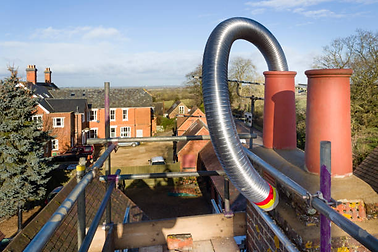
Fireplace Liners
Installing a stainless steel fireplace flue liner is one of the best ways to improve the safety, performance, and reliability of a chimney system. Flue liners protect the chimney walls from heat, smoke, moisture, and corrosive byproducts created during combustion. Older clay tile liners can crack, deteriorate, or fail over time, allowing heat and gases to escape into the home and increasing the risk of chimney fires or carbon monoxide exposure. A stainless steel liner creates a properly sized, sealed passage for exhaust to safely vent from the fireplace or appliance, improving draft and overall efficiency. Stainless steel liners are also highly durable, resistant to corrosion, and compatible with wood-burning, gas, and oil appliances. They are often recommended when converting appliances, repairing damaged flues, correcting drafting issues, or bringing an older chimney up to current safety standards.
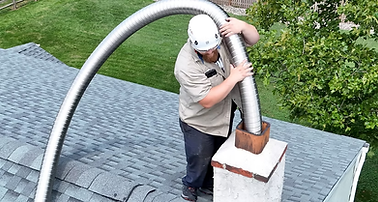
Furnace Liners
Installing a stainless steel furnace liner is often necessary to safely vent modern gas or oil heating appliances and to bring older chimney systems up to current code requirements. Both International Residential Code (IRC) standards and local regulations, including WSSC requirements in Maryland, require chimney venting systems to be properly sized, corrosion-resistant, and suitable for the appliance being connected. Older masonry chimneys without an appropriate liner can deteriorate from acidic condensation produced by high-efficiency furnaces, leading to unsafe venting conditions and potential carbon monoxide hazards. A stainless steel furnace liner improves draft, protects the chimney structure from corrosion and moisture damage, increases heating system efficiency, and provides a durable, long-lasting venting solution that helps ensure the system operates safely and in compliance with modern building codes.
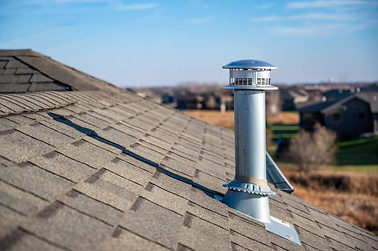
B-vent/L-vent Systems
A B-vent/L-vent system may need to be replaced when it becomes rusted, damaged, improperly sized, or no longer meets current code requirements for the furnace it serves. Failing or deteriorated vent systems can lead to poor drafting, moisture damage, and dangerous carbon monoxide leaks. Replacing the B-vent helps ensure safe operation, proper venting performance, and compliance with modern heating and building standards.
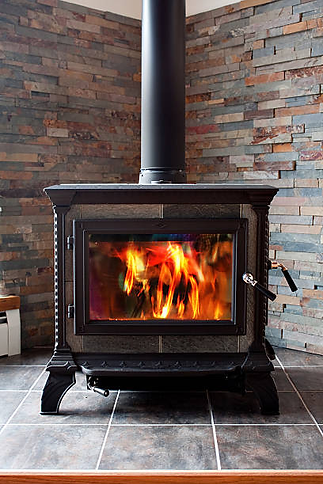
Woodstove/Inserts
Wood stoves and fireplace inserts provide an efficient, reliable heating source while reducing dependence on gas, oil, and electricity. In addition to lowering heating costs, they offer homeowners greater energy independence and peace of mind during power outages or rising fuel prices. Modern wood-burning stoves and inserts are designed for improved efficiency, cleaner burning, and better heat output, making them a practical and dependable way to keep your home warm and comfortable throughout the winter, while still allowing you to enjoy the ambiance of a wood burning fire.

Gas Fireplaces
Gas inserts and gas logs offer the warmth and ambiance of a fireplace with the convenience of clean, easy operation. They provide instant heat at the push of a button without the mess of firewood, ash, or frequent chimney maintenance associated with wood-burning fireplaces. Modern gas appliances are highly efficient, helping homeowners reduce heat loss while enjoying consistent, controllable warmth and an attractive flame appearance.

Caps/Dampers
A chimney cap and top-closing damper help protect your chimney system from water damage, animal entry, debris buildup, and energy loss. A properly installed flue cap keeps rain, leaves, and pests out of the chimney while helping prevent moisture-related deterioration to the flue and masonry. A top-closing damper creates a tight seal at the top of the chimney when the fireplace is not in use, reducing drafts, heat loss, and outside air infiltration, which can improve overall home comfort and energy efficiency.

Masonry Repairs
Chimney masonry deterioration is commonly caused by prolonged water intrusion, freeze-thaw damage, aging mortar joints, and exposure to harsh weather conditions. Over time, moisture can cause mortar to crumble, chimney crowns to crack, and bricks to spall or break apart, compromising the structure and appearance of the chimney. Recommended repairs may include repointing deteriorated mortar joints, repairing or rebuilding damaged chimney crowns, performing spot cuts and replacement of spalling brick, or complete chimney rebuilds when the damage is severe, helping restore the chimney’s safety, stability, and resistance to future water damage.
SCHEDULE YOUR
CHIMNEY INSPECTION TODAY
CALL US
EMAIL US
SERVICE AREAS
MARYLAND
Montgomery County Prince Georges County
Howard County
Frederick County
Carroll County
SOCIAL MEDIA

REQUEST A FREE ESTIMATE!